

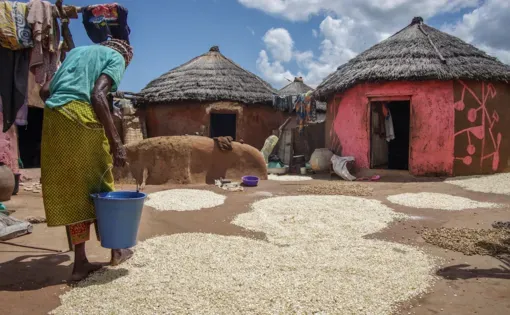
Branded and Banished: The Reality of Ghana’s Witch Camps
In northern Ghana, a quiet crisis continues to shape the lives of many women, most of them elderly and vulnerable.
Accused of witchcraft, they are forced to leave their homes and settle in isolated communities widely known as witch camps.
These accusations often grow from fear, superstition, or unresolved tensions within families and villages.
In many cases, a sudden illness, death, or misfortune is enough to place blame on a woman, even without evidence.
A new exhibition titled “Ghana: Branded for Life” is now bringing these hidden stories into focus.
Instead of being spoken for, the women are sharing their own experiences. Many speak of losing everything, from their homes to their families, over claims they continue to deny.
Life in the camps is marked by long periods of isolation. Some women spend years there, cut off from the communities they once belonged to.
The stigma attached to the accusations makes returning home difficult, and in many cases, impossible.
Despite these challenges, many have found ways to support each other and build a sense of community. Their strength stands out in the face of rejection and hardship.
The issue goes beyond one country. It raises wider concerns about belief systems, gender inequality, and the need to protect those most at risk.
For the women at the center of these stories, saying “I’m not a witch” is more than a response. It is a way of reclaiming their identity after it has been taken from them.