
What LugaFlow Really Means: Babaluku Speaks
For some younger listeners, or for those who do not closely follow hip-hop, Lugaflow may sound like just another rap style.
But for those who witnessed its birth, it carries far deeper meaning.
At the center of that story is Babaluku, born Silas Babaluku Balabyekkubo, the man widely credited with pioneering LugaFlow.
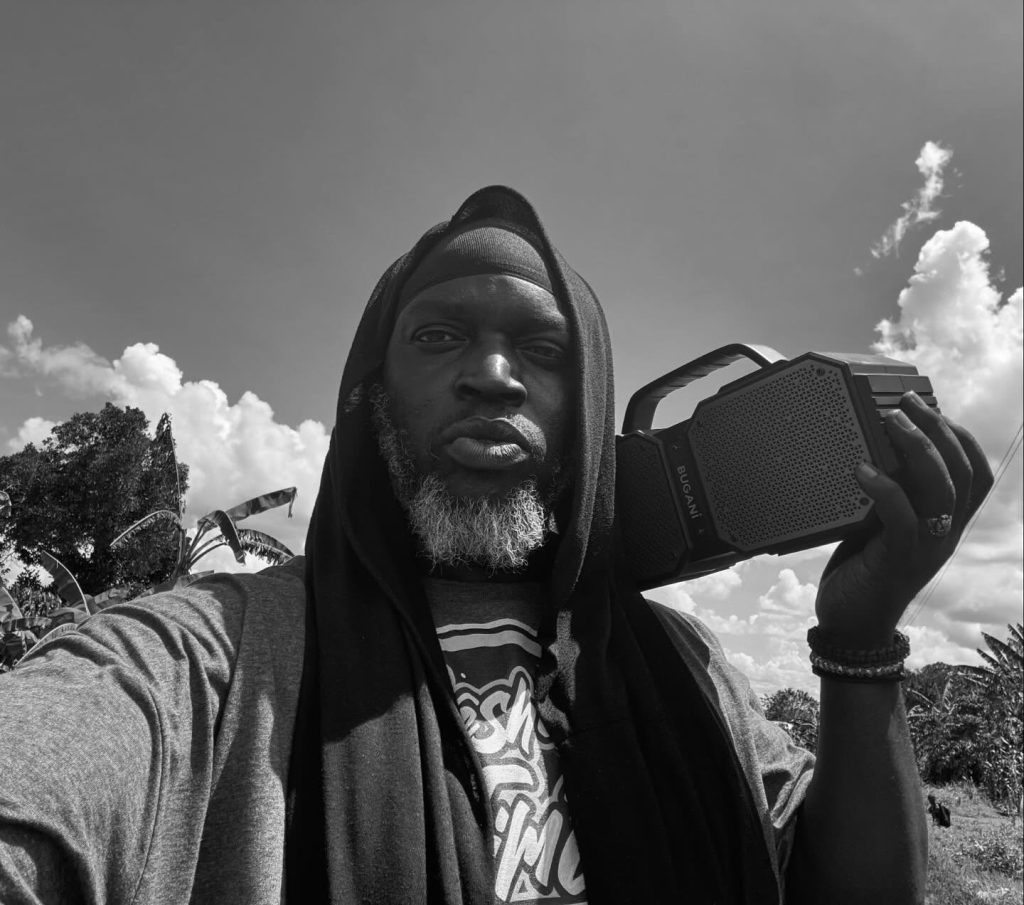
Over the years, he has become one of the culture’s most respected voices, not just as an artiste but as a mentor and advocate for indigenous expression.
While appearing on Mwasuze Mutya, he reflected on the true intention behind the movement.
What most people do not know is that when you talk about ‘LugaFlow,’ the way that talent or gift was given to us, what we wanted was that our indigenous languages are preserved so that young people do not forget them.
Despite the Luganda reference in its name, Babaluku made it clear the vision was always inclusive.
We wanted that even if you were an Itesot, Acholi, Samia, Mugwere, or Mukenye, you could come and rap in your ancestral language, bring your power, mobilize with others, and build something that unifies us, when it resembles us, looks like us, and sounds like us. That is the power of LugaFlow.
He added that the LugaFlow movement has helped many young people remain rooted in their identity.
When you look at what we added to the country, it has helped many young people not to disconnect themselves from who they are. Instead, they use the voices they understand to pass on their messages or talents so they can be heard in the country.
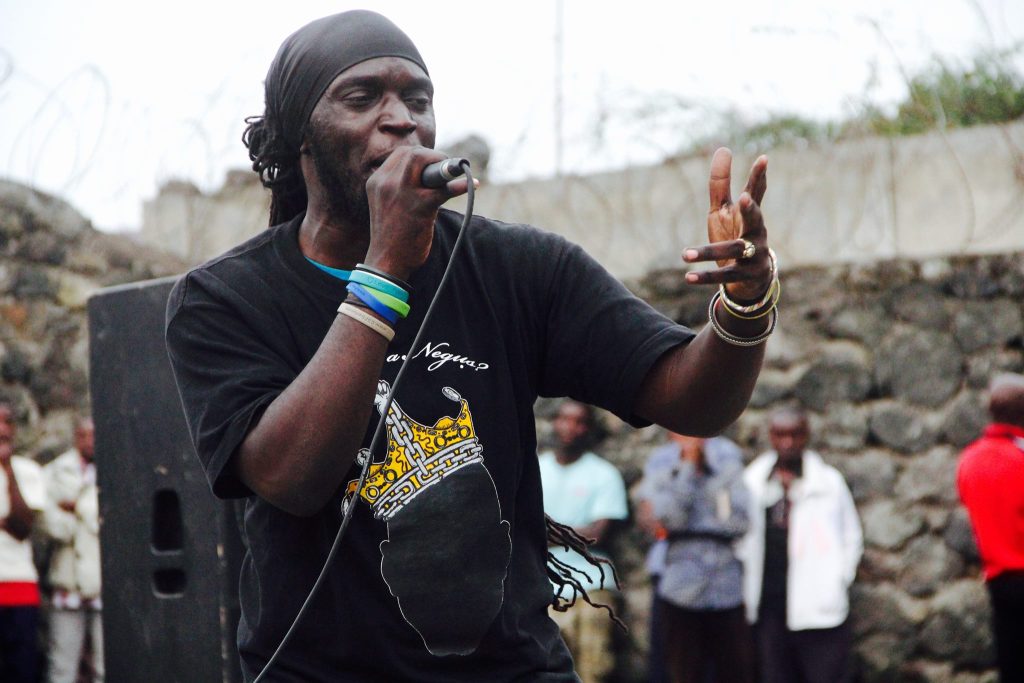
Babaluku also reflected on the early resistance they faced.
He explained that the idea of rapping in indigenous languages was once dismissed and discouraged by industry gatekeepers.
But for us, when we were starting out, people used to say that for one to rap, they had to do it in English. Even radios never used to play music that was not in English. So the fight to have our indigenous voices accepted on the airwaves has been long.
Years later, the same languages that were once rejected now power a generation of confident rap artistes.
Through LugaFlow, many have learned that their mother tongue is not a limitation but a strength, Babaluku said.