

Why African Cities Flood While Villages Stay Dry
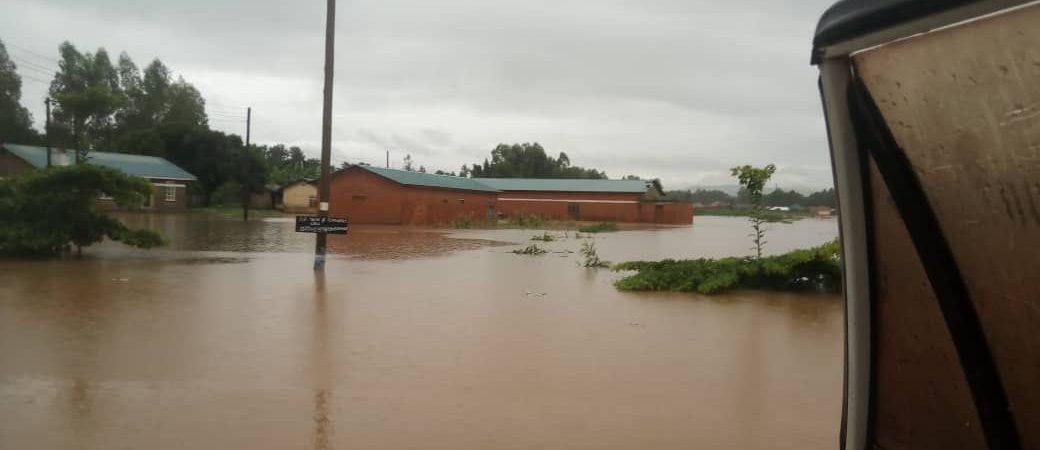
When heavy rains fall across East Africa, flooding is often worse in major cities than in nearby rural areas.
In places like Kampala and Nairobi, streets can quickly turn into streams while many villages remain relatively unaffected.
Experts say the difference is not the amount of rain but the way cities are built.
In rural areas, land is mostly covered with soil, grass, and farmland. These natural surfaces absorb rainwater and slow its movement. Water sinks into the ground instead of rushing across the surface.
Cities are different. Large areas are covered with concrete, asphalt, and paved roads. These hard surfaces do not absorb water, so rain flows quickly into drainage systems that are often too small to handle the volume.
Rapid urban growth has also made the problem worse. As cities expand with new buildings and roads, infrastructure such as drainage systems often remains unchanged.
In Kampala, much of the stormwater flows through the Nakivubo Channel toward Lake Victoria. When rainfall is heavy, the channel and surrounding drains can quickly overflow.
Urban planners say better drainage networks, greener spaces, and improved city planning could help reduce flooding in Africa’s fast growing capitals.