
Parents: Your Safe Space or Your First Trauma?
By Kasemire Christina Mulinde
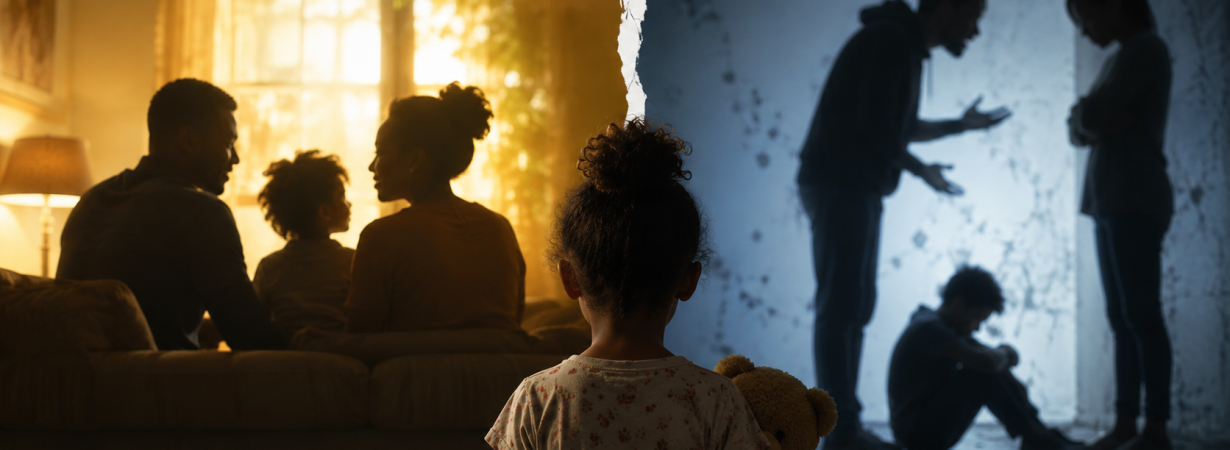
For some people, home is peace. It is where they run after a hard day, where they feel heard, protected and loved without having to earn it.
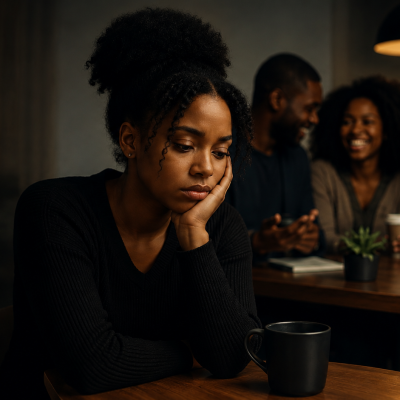
For others, home is where the anxiety started.
It is strange how the same people who teach us how to speak, walk and survive can also become the reason we struggle with confidence, communication and love later in life. Parents are meant to be our first safe space, but sometimes they become our first experience with fear, pressure, silence and emotional pain.
Not all trauma looks like abuse. Sometimes it sounds like:
“You’ve gained a lot of weight.”
“Why can’t you be like your sibling?”
“Stop crying before I give you a reason to cry.”
Some homes only feel loving when you are being useful. Clean the house, cook a meal and suddenly you are a “good kid.” Bring home good grades and now they are proud of you. But the moment you are sad, tired or overwhelmed, you get called “lazy,” “dramatic” or “ungrateful.”
Parental love is supposed to be unconditional, not something children feel forced to earn through performance or perfection.
Sometimes growing up in a home where emotions are dismissed instead of discussed is the reason many people shut down whenever they have to explain how they feel.
The complicated part is that many parents genuinely love their children. They provide food, school fees and shelter. They sacrifice endlessly and work hard to give their children better lives. But emotional safety is just as important as physical provision, and many families still struggle to understand that.
A child who grows up constantly criticized may become an adult who seeks validation from everyone around them. A child raised in fear may struggle to express themselves honestly. And a child who never felt emotionally safe at home may spend years trying to heal from wounds nobody else can see.
At the same time, there are parents who truly become safe spaces. The kind you can call when life falls apart. The kind who listen instead of judge, apologize when they are wrong, encourage instead of shame and make home feel warm instead of heavy.
Those parents raise children who move through life understanding that love does not have to be earned.
Maybe that is why this conversation matters so much. Many people are now realizing that healing sometimes begins with admitting that the people who loved us also hurt us, intentionally or unintentionally.
And perhaps the goal for the next generation is not perfect parenting, but creating homes where children feel safe enough to be human.