

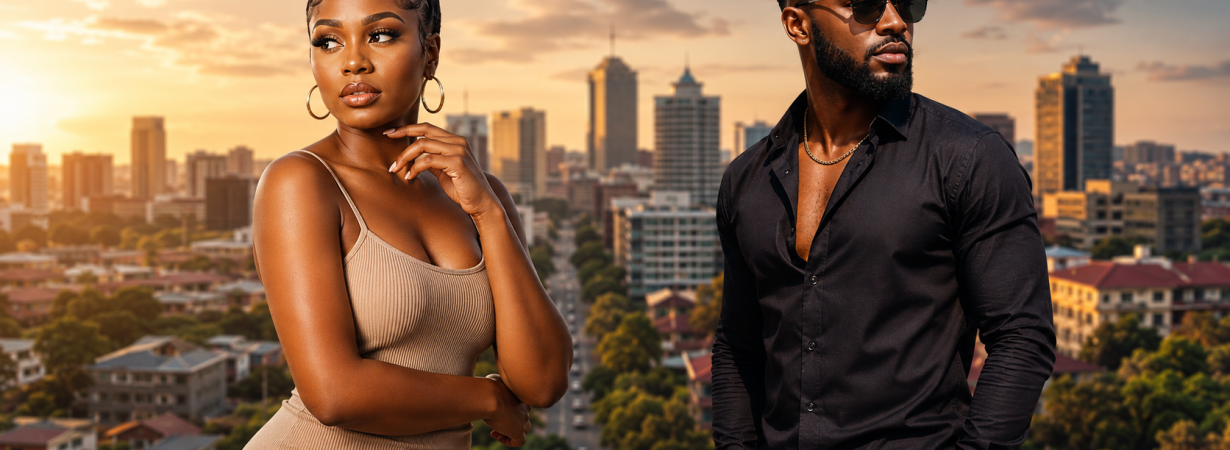
Kampala Beauty Standards: Are We Chasing Reality or an Illusion?
By Kasemire Christina Mulinde
Beauty standards in Kampala have evolved significantly over the years. What was once considered attractive has been reshaped by social media, celebrity culture, and changing lifestyles. Today, both men and women face growing pressure to fit into very specific ideals.
For women, the modern standard often revolves around the “slim thick” figure: a flat stomach paired with curvy hips and thighs. Add flawless skin, long hair, trendy fashion, perfectly done nails, and a polished social media presence, and you have what many consider the ideal look.
While there is nothing wrong with wanting to look good, the problem begins when these standards become unrealistic.
Many of the images people see online are filtered, edited, or enhanced in some way. Some body types are naturally shaped by genetics, while others may be the result of cosmetic procedures that are rarely discussed openly.
Yet countless young women compare themselves to these images, often feeling insecure or inadequate when they do not measure up.
Men are not exempt from the pressure. The modern Kampala man is often expected to be physically fit, fashionable, ambitious, and financially successful.
In many cases, attractiveness is tied not only to appearance but also to status. The car you drive, the places you visit, the clothes you wear, and the lifestyle you project can all influence how others perceive you.
As a result, many young men feel pressure to appear successful long before they have had the opportunity to build genuine financial stability.
Social media has made comparison easier than ever, turning one person’s highlight reel into another person’s benchmark for success.
What is interesting is that despite these highly publicized standards, real life often tells a different story.
Walk around Kampala and you will find happy couples who do not fit Instagram’s definition of perfection. You will find people choosing partners because of their personality, kindness, ambition, sense of humor, and shared values rather than appearance alone.
Ultimately, the question is not whether Kampala’s beauty standards are realistic but whether they are healthy.
While they can encourage self care and confidence, they become harmful when they fuel insecurity, unhealthy habits, and constant comparison.
In a world driven by social media, beauty often feels like a performance. Yet in everyday life, authenticity, character, and genuine confidence remain qualities that matter most.