

What Happens When Talent and Management Fall Out? The Tenge Tenge Case
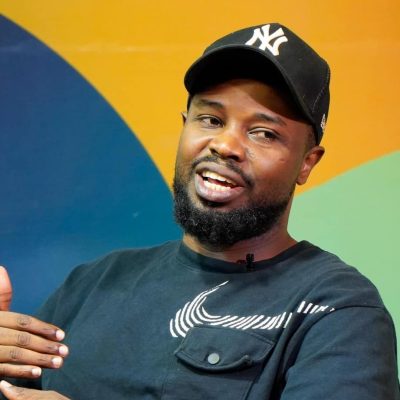
For days, Ugandans have followed the public fallout between child content creator Tenge Tenge and his longtime manager, Michael Kabonge.
What began as a dispute over social media accounts and earnings has since evolved into a wider debate about ownership, management, and the business of content creation in Uganda.
At the center of the controversy is Tenge Tenge, born Saad Ssozi, whose viral videos turned him into one of Uganda’s most recognizable internet personalities. His content attracted millions of followers across platforms and opened doors to international collaborations, brand opportunities, and global exposure.
Behind much of that growth was Kabonge, who reportedly handled content production, account management, bookings, travel arrangements, and business negotiations. Reports suggest some of the social media accounts existed before the pair began working together and were later built around Tenge Tenge’s growing popularity.
The relationship recently broke down after disagreements over earnings and ownership of the platforms.
Tenge Tenge and his father publicly accused Kabonge of denying them access to key social media accounts and failing to properly account for revenue generated through the youngster’s online success.
The family claimed the earnings they received did not reflect the scale of the creator’s popularity, pointing to what they described as relatively small payouts despite billions of views and millions of followers.
Kabonge, on the other hand, reportedly maintains that he created and managed the accounts that helped build the brand, a position that has fueled debate about where ownership begins and ends when talent and management work closely together.
The dispute quickly spilled onto social media, where Ugandans found themselves divided.
Some argued that Tenge Tenge, as the face of the brand, should ultimately control the platforms built around his image and personality. Others pointed to the work involved in creating content, managing accounts, negotiating deals, and growing an online presence, arguing that management often receives little recognition when success arrives.
The conversation gained even more attention when singer Bruno K hosted both parties on a TikTok Live session that attracted thousands of viewers.
The discussion introduced fresh claims and counterclaims, while exposing just how complicated the relationship between creators, managers, and money can become.
Yet beyond the accusations and online arguments lies a much bigger issue.
The Tenge Tenge saga has highlighted a challenge that continues to affect Uganda’s entertainment and creator economy: the absence of clear contracts, ownership agreements, and professional structures governing many partnerships.
Musicians have spent years battling over royalties, YouTube channels, performance earnings, and intellectual property rights. As content creation grows into a serious business, similar disputes are beginning to emerge among digital creators.
The controversy has also raised questions about how young creators should be managed, how revenue should be shared, and who should retain control of digital assets when professional relationships break down.
For now, the dispute remains unresolved.
But whatever the outcome, the conversation has already expanded beyond Tenge Tenge and Kabonge. It has become a case study in the opportunities and growing pains facing Uganda’s creator economy.
Because while talent may attract the audience, building a successful brand often requires management, strategy, production, and promotion.
When those contributions are not clearly defined from the beginning, disagreements can quickly turn into public battles.