
Uganda’s Entertainment Industry’s Biggest Question: Who Really Owns What?
Something interesting is happening in Uganda’s entertainment industry.
Whether the conversation involves musicians, content creators, managers, or former collaborators, more and more disputes seem to be ending up in the same place: ownership.
In recent weeks alone, Papa Cidy sparked debate after suggesting he deserves compensation from projects he worked on alongside Jose Chameleone.
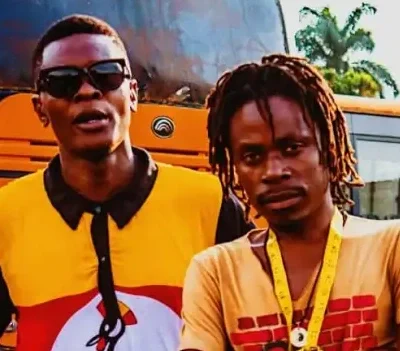
The fallout between viral content creator Tenge Tenge and his manager Michael Kabonge quickly evolved from a disagreement over social media accounts into a wider discussion about ownership, management, and the value each person contributes to a successful brand.
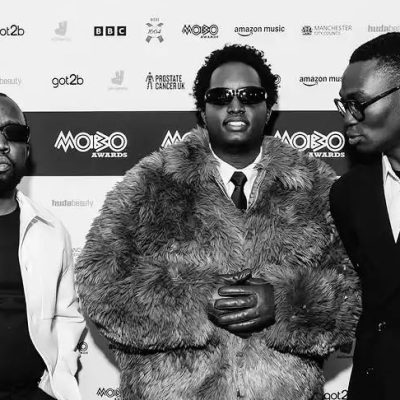
More recently, Cindy and Omega 256 found themselves publicly disagreeing over the ownership and financing of their award-winning collaboration, “See You Tonight.”
At first glance, these stories have little in common. One revolves around royalties, another around digital content, and the third around a hit song.
Look a little closer, however, and they all point to the same reality.
Success has a way of exposing questions that nobody bothered to answer when the project was still growing.
When a song is still being recorded, a YouTube channel is struggling for views, or a brand is yet to attract serious money, conversations about ownership rarely take center stage.
People focus on creating, building, investing, and promoting. Everyone is working toward the same goal, and the future feels far less complicated than it eventually becomes.
The challenges often begin once the project succeeds. That is when people start looking back at their contribution from a different perspective.
The artiste remembers the talent that connected with audiences. The manager reflects on the strategy and opportunities that helped build the brand. Investors point to the money they risked, while producers and collaborators think about the work they put in behind the scenes.
In many cases, all of them have a valid argument.
The difficulty lies in determining how those contributions translate into ownership, compensation, and long-term rights, especially when expectations were never clearly defined from the beginning.
That is why these disputes keep resurfacing across different corners of the industry. The names may change and the circumstances may differ, but the underlying questions remain remarkably similar.
As Uganda’s creative economy continues to grow, those questions are becoming harder to ignore. Songs now generate revenue long after their release through streaming platforms and digital distribution. Content creators attract international partnerships and sponsorship deals. Social media accounts have evolved into valuable business assets, while collaborations can continue producing income years after they are recorded.
The opportunities are bigger than ever before.
So are the stakes.
Many creative partnerships still begin with trust, friendship, and verbal understandings, which often work perfectly well while a project is finding its footing. Problems arise when success arrives and everyone starts trying to define rights, responsibilities, and ownership after the fact.
Perhaps that is the lesson hidden behind many of the industry’s recent headlines.
Talent creates opportunities. Management creates structure. Investment fuels growth. But clarity remains just as important as all three.
Because no matter how different these disputes may appear on the surface, they keep returning to the same question.
Who owns what?