

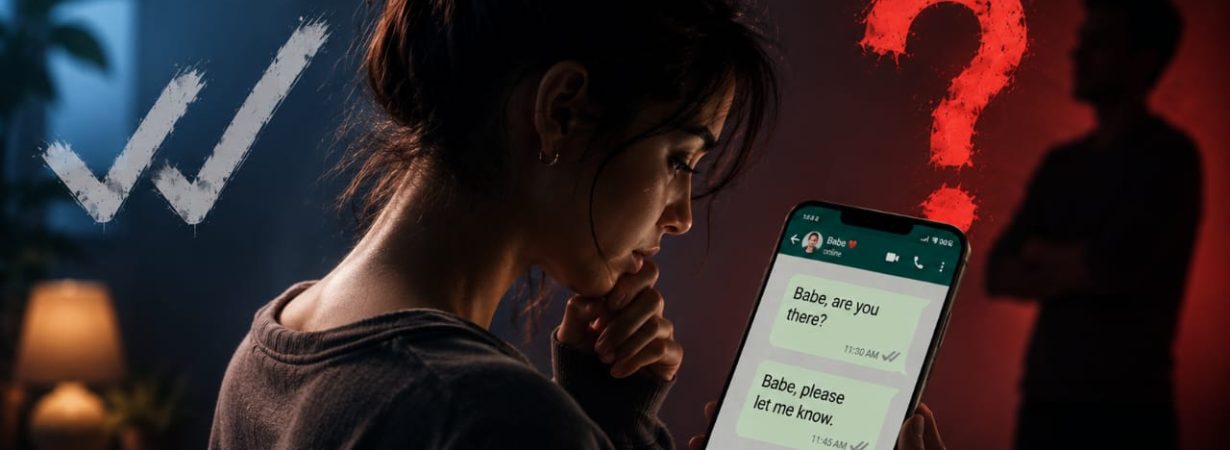
What Turning Off Blue Ticks Really Says About Someone
Is turning off blue ticks on WhatsApp a harmless boundary or a walking red flag? That debate has become surprisingly serious in modern relationships and friendships.
For some people, removing blue ticks instantly raises suspicion. The moment someone disables read receipts, questions start flying. “What are they hiding?” “Why do they want to read messages secretly?”
In dating especially, many people see it as the digital version of leaving someone on seen without proof.
It gets worse when the same person takes hours to reply while constantly appearing online. That combination alone has caused enough relationship arguments to fill an entire group chat.
Some people also believe turning off read receipts creates imbalance. You can read messages privately while still expecting fast replies from everyone else. That double standard is exactly why some users call it a red flag.
But on the other side, many people say blue ticks create unnecessary pressure and anxiety. Not everyone wants to explain why they opened a message without replying immediately. Sometimes people are busy, mentally drained or simply not ready for a conversation.
Others disable read receipts to avoid guilt trips and emotional policing. We all know those messages:
“You ignored me.”
“You were online.”
“You saw my text.”
For them, turning off blue ticks is less about hiding things and more about protecting peace.
The truth is, removing read receipts is not automatically toxic. The real red flag is usually the behavior behind it. If someone communicates honestly, responds respectfully and treats people well, blue ticks probably do not matter much.
But if disappearing acts, mixed signals and selective replies come with it, then those missing blue ticks suddenly start looking very suspicious.