

Love Today vs Love Back in the Day: What Really Changed?
By Kasemire Christina Mulinde
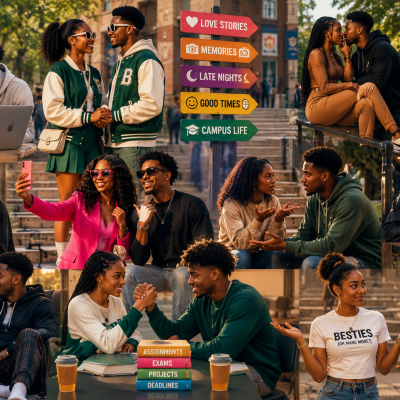
Imagine waiting weeks for a letter from someone you love. Now imagine feeling frustrated because they left you on read for ten minutes. Love has come a long way from handwritten notes and chaperoned dates to video calls, dating apps, and Instagram soft launches.
For many people, the biggest difference between love today and love back in the day is intention.
Relationships in previous generations were often built on patience, commitment, and a willingness to grow together over time. Courtship could last for months or even years, and getting to know someone was considered an important step toward building a lasting connection.
Today, however, the dating landscape moves much faster.
A two month talking stage can feel like an eternity, and relationships often begin almost instantly. With endless options available at the touch of a screen, some argue that people can mistake physical attraction or temporary excitement for genuine love.
While attraction remains an important part of any relationship, many believe the emotional depth and effort that once defined romance are becoming less common.
That said, not everything has changed.
Deep down, people still want the same things they always have: to feel loved, valued, understood, and appreciated. Trust, respect, and communication continue to be the foundation of every healthy relationship, regardless of the generation.
Love back in the day was often about staying and building. Love today is more about choosing and growing. Neither approach is necessarily better than the other.
Older generations can teach us the value of patience, loyalty, and commitment, while today’s generation places greater emphasis on emotional well being, compatibility, and personal choice.
Perhaps the strongest relationships are those that borrow from both worlds, combining the commitment and resilience of the past with the self awareness and emotional intelligence of the present.
Because while the way we love may have changed, the desire for meaningful connection remains timeless.