

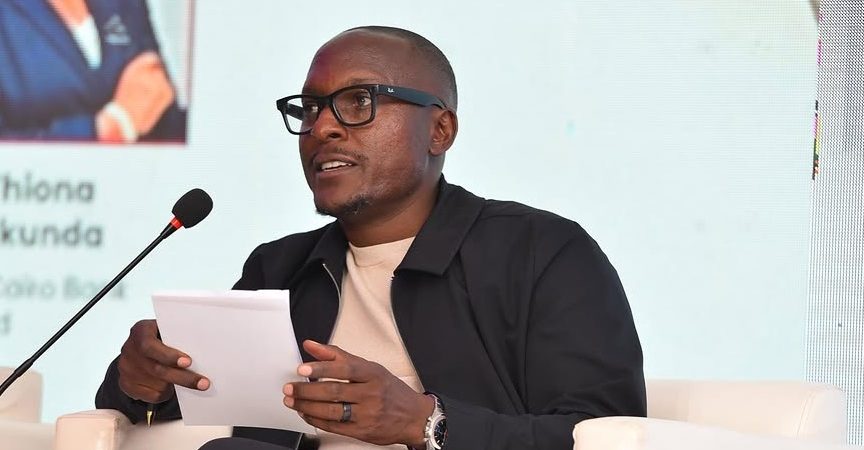
Julius Kyazze Pushes Back Against Claims That Record Labels Exploit Musicians
Claims that record labels exploit musicians have become common in recent years, but Julius Kyazze believes many critics overlook the realities of the music business.
During a conversation on Pick Up, the Swangz Avenue co-founder explained why he sees record labels as partners that take significant risks on talent.

Record labels, I think, and I forget the exact number, but I believe out of every 100 artistes they sign, the success rate is under 5% globally. It is very low. They take a gamble on all 100 artistes, hoping they will recoup their investment. They lose a lot of money. It is a business.
For Kyazze, that risk is exactly why labels deserve a different reputation from the one they often get online.
He pointed out that many artistes turn to labels because they need resources that can be difficult to secure on their own.
You are a musician but you do not have the money to promote yourself, market your music, or reach other places. Then someone comes and invests in you. That is a partnership, and you can share the upside.
The discussion then turned to one of the most common criticisms aimed at record labels: the belief that they exist to take advantage of artistes.
Kyazze argued that musicians always have a choice.
Now, someone tells you, ‘Labels are thieves. They are going to take your money.’ But you could just as well keep your music to yourself, stay small, and listen to it in your car. No one is choking any musician to go to a label.
His remarks come against a backdrop of growing skepticism toward record deals.

Artistes such as A Pass, Eddy Kenzo and Cindy have previously voiced concerns about creative freedom, contract terms and control over their careers.
Even so, Kyazze believes labels continue to play an important role for artistes looking to reach bigger audiences and expand beyond their immediate markets.
You go to a label when you need a partner. Labels are partners. You go to a label when you need exposure, when you need someone to invest money in you, when you need help reaching the region, or whatever reason you have for seeking that partnership.
At the heart of his argument is the idea that record labels operate like any other business.
They put money behind artistes with the expectation that successful projects will generate returns.
Labels are not your mothers who simply invest and walk away. They invest with the intention of making their money back.